


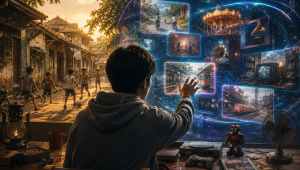
Faktaindonesianews.com – Amid the rapid growth of digital entertainment, a new trend is gradually capturing public attention: Interactive Nostalgia. Unlike traditional nostalgia, which typically evokes memories through classic films or timeless songs, this concept encourages audiences to actively relive past experiences through technology, creativity, and digital interaction.
For decades, nostalgic entertainment was largely defined by reruns of classic movies, concerts featuring hit songs from the 1990s, or beloved television series returning to the screen. Today, however, technological advancements have transformed nostalgia into a far more personal experience. Audiences are no longer passive viewers—they become active participants in recreating moments that remind them of childhood, school days, or cherished family memories.
This trend is evident in the growing popularity of digital content that blends retro-inspired visuals, familiar ambient sounds, and immersive simulations of everyday experiences, such as strolling through a traditional marketplace, riding a vintage train, or exploring a city at night as it appeared decades ago. Rather than simply telling a story, these experiences invite viewers to reconnect with emotions they once felt, making the memories feel vivid and personal.
One of the driving forces behind Interactive Nostalgia is the growing desire for entertainment that offers comfort and emotional reassurance. In today’s fast-paced world, many people seek experiences that provide a sense of calm while reminding them of simpler times. As a result, nostalgia has become an increasingly powerful element within the entertainment industry.
Content creators have embraced this shift by producing cinematic videos inspired by everyday life in past decades, classic-style animations, and digital games featuring simple yet familiar visual aesthetics. Interestingly, audiences often engage with this content beyond simply watching it. Many share personal stories and memories related to similar experiences through comment sections and social media, turning entertainment into a shared community experience.
The film and streaming industries have also begun incorporating the principles of Interactive Nostalgia. Many productions recreate specific historical periods with remarkable attention to detail, from household items and fashion styles to architecture and neighborhood settings. These carefully crafted environments help viewers develop a deeper emotional connection, making them feel as though they are part of the story rather than merely observing it.
Emerging technologies such as virtual reality (VR) and augmented reality (AR) are creating even more opportunities for nostalgic entertainment. Users can now explore digital environments modeled after childhood neighborhoods or step into virtual spaces designed to replicate the atmosphere of previous decades. These immersive experiences offer a level of emotional engagement that extends far beyond watching content on a screen.
Despite its appeal, creators still face the challenge of balancing nostalgia with innovation. Relying solely on familiar memories without compelling storytelling or fresh creative ideas may limit a project’s long-term impact. Successful nostalgic entertainment therefore combines meaningful narratives, thoughtful visual design, and engaging interactive elements to create experiences that resonate with audiences while remaining original.
At the same time, this growing trend demonstrates that modern entertainment does not always need spectacular visual effects or highly complex storylines to leave a lasting impression. Sometimes, simple experiences that awaken positive memories can create a deeper emotional connection than even the most technically ambitious productions. As Interactive Nostalgia continues to evolve, it is redefining how audiences engage with entertainment—transforming them from passive spectators into active participants in bringing treasured memories back to life.